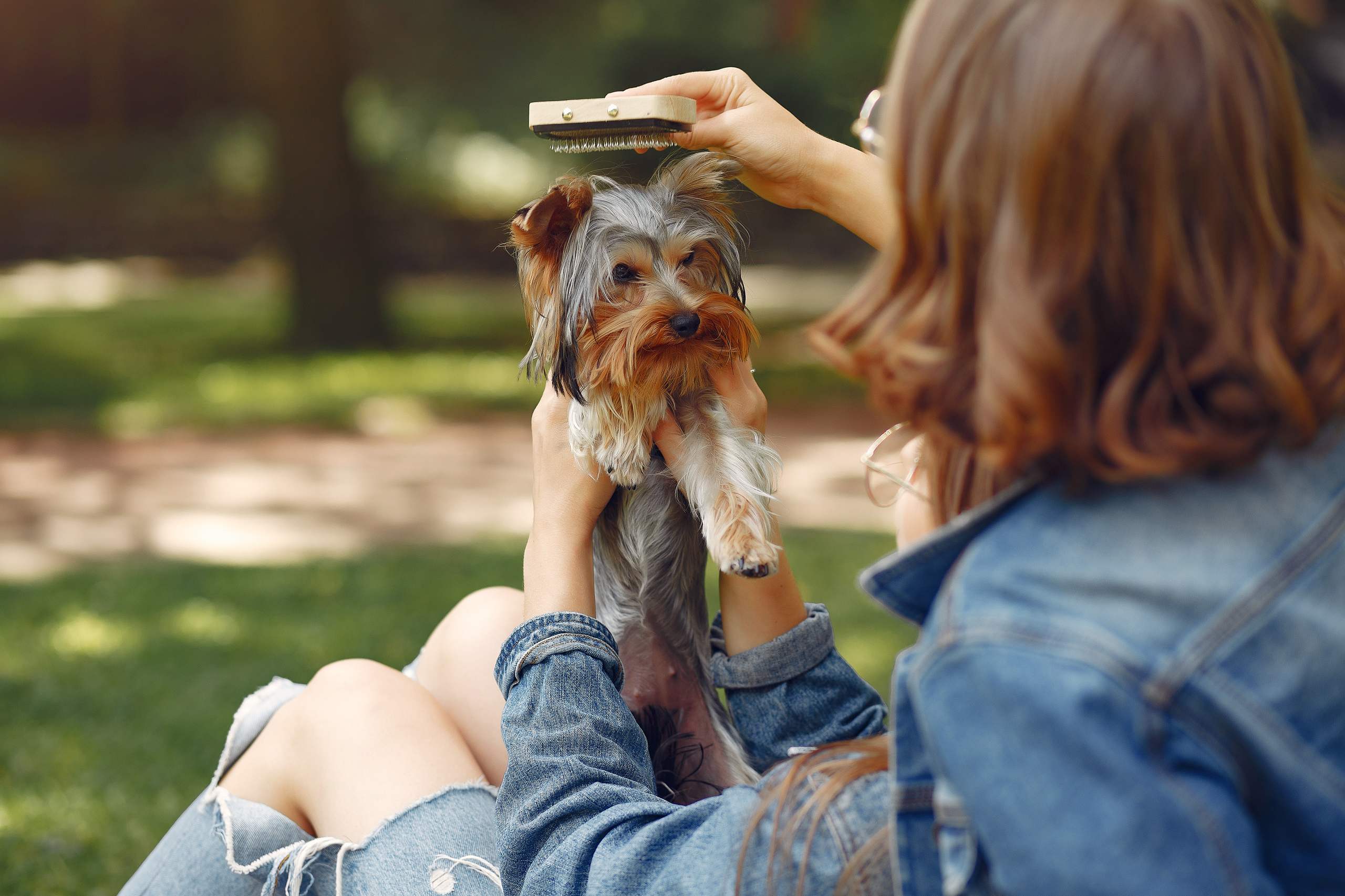
Bathing is an important part of dog grooming. However, not every dog is thrilled at the sight of a bathtub. Some dogs get anxious in the presence of running water, while others simply don’t like being handled for an extended period.
Establishing a calm routine will help make bath time easier for both of you. The aim isn’t just to have a clean coat; it’s also to ensure that your dog feels safe throughout the entire process.
Preparing Everything Beforehand
One common mistake is throwing the dog into the bath before preparing the required items.
Make sure you have the shampoo, towels, brushes, and any other needed grooming equipment within reach before you start.
Why Preparation Is Important
Leaving the dog unattended to find something might result in stress or danger.
Also, having your grooming area fully prepared ensures a smooth and confident flow during the process.
Introducing Water Slowly
The dog might become scared if you suddenly spray them with water, especially if they’re unfamiliar with the experience.
Start slowly and gradually expose the dog to the water.
Ensure The Water Temperature Is Comfortable
The water should be warm enough to be comfortable.
Check it first and don’t apply it to sensitive areas like the face.
Choosing A Good Dog Shampoo
Human shampoos aren’t made for dogs and might be too harsh for some.
Pick a dog-specific shampoo and take into account your dog’s coat and skin needs.
Apply The Correct Amount
It doesn’t always mean that the dog gets a better coat if you use more shampoo.
Apply the correct amount and gently massage it into the coat. Focus on spreading it evenly instead of rubbing it harshly.
Paying Attention To Sensitive Areas
Your dog’s eyes, ears, and nose require special care during the bath.
Try to avoid getting shampoo into the eyes or water into the ears.
Cleaning The Face
Instead of spraying the face, use a damp cloth or any other method that suits your dog best.
Go slowly and be attentive to the dog’s reaction.
Rinsing Out All The Shampoo
Rinsing out the shampoo thoroughly is a vital step in the process.
Residue left on the coat can irritate the skin and cause discomfort.
Look In Hard-To-See Places
Make sure you check places with thicker fur where the shampoo might be hiding.
Continue rinsing until the water is completely clear and there’s no more shampoo in the coat.
Drying Is Part Of Grooming
The bath isn’t done once the water is off.
Use towels to remove excess water and place your dog in a comfortable spot while the coat dries.
Depending On The Coat Type
Some coats dry quickly while others take longer due to thickness.
It might be beneficial to use a pet dryer, depending on the dog and the grooming needs.
If using a dryer, get your dog used to the sound and the air. Also, make sure the temperature isn’t too high.
Staying Calm Throughout The Process
Dogs can detect tension and lack of confidence.
If you’re rushing, get frustrated, or rough with your dog, it’ll make the whole process harder for both of you.
Praising Good Behavior
Compliment your dog during the bath and after finishing difficult tasks.
Positive reinforcement helps your dog cooperate more easily over time.
How Often Should You Bathe Your Dog?
There’s no standard bathing schedule for all dogs.
The ideal frequency depends on a number of factors, including the coat type, lifestyle, skin condition, activity level, and the advice of professionals or vets.
It’s not necessarily appropriate to bathe your dog often unless you have a good reason.
Final Words
Bath time isn’t just about a clean coat. You should prepare your supplies, slowly introduce water, use dog shampoo, rinse well, and do your best to keep everything calm.
Eventually, with consistency and patience, even a dog who didn’t enjoy bath time will become more comfortable.